Same-Day Crowns Wylie TX: How They Work and Who They're For
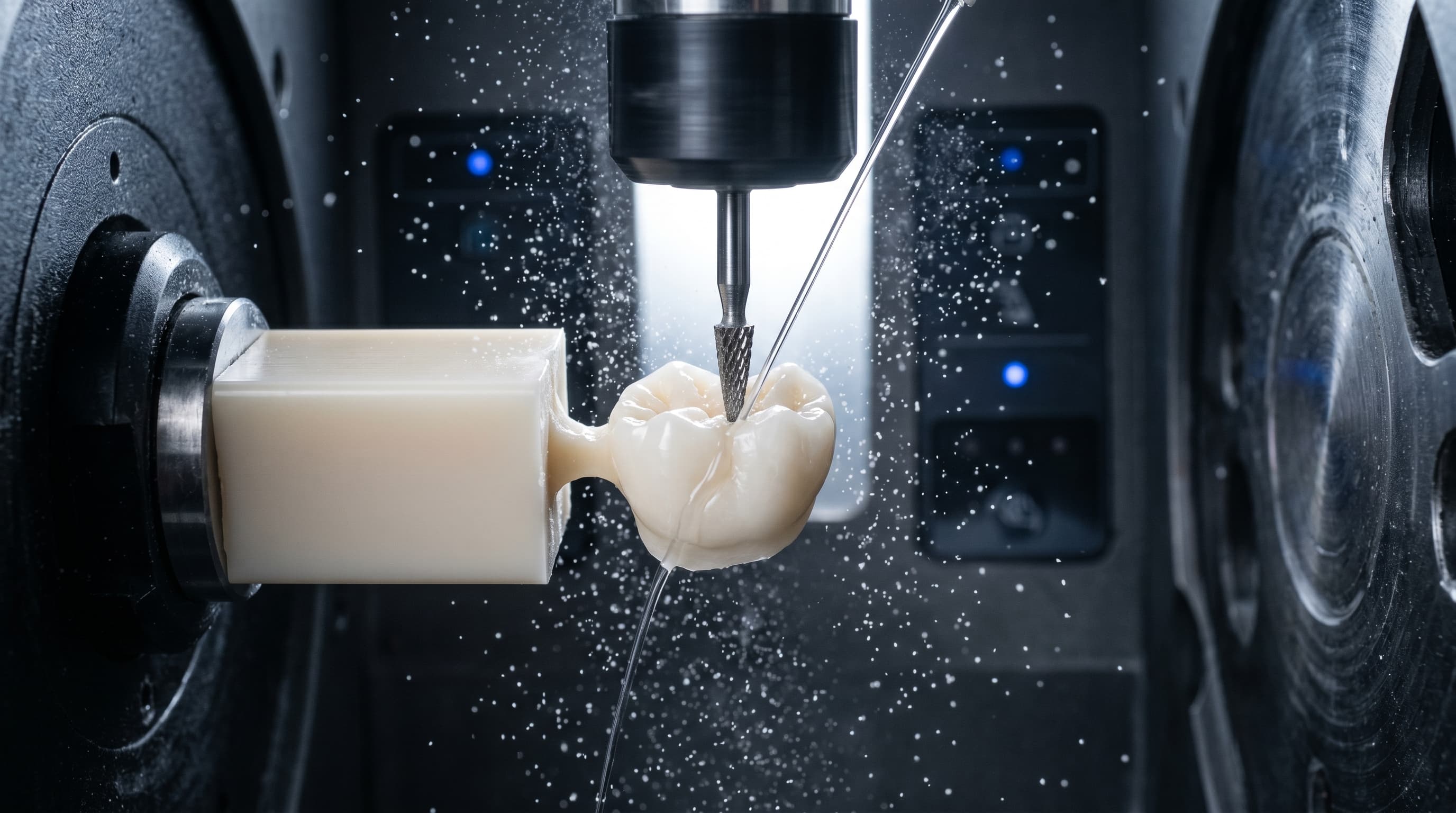
Same-day crowns Wylie TX patients ask about use CEREC technology to design, mill, and cement a dental crown in a single appointment, typically about two hours from start to finish. No temporary crown. No second visit. No weeks of waiting. The technology is real, it's FDA-cleared, and it works. But like any dental option, it's the right choice for some situations and not others.
This guide explains how same-day crown technology works, compares it honestly to traditional lab-made crowns, and helps you understand which type is the better fit for your specific tooth. At Willow Family Dentistry in Wylie, TX, Dr. Esther Jeong helps patients understand both options so they can make an informed decision about how their crown is made.
What Are Same-Day Crowns and How Does CEREC Work?
CEREC stands for Chairside Economical Restoration of Esthetic Ceramics. It's a CAD/CAM system (computer-aided design and manufacturing) that lets a dentist design and fabricate a ceramic crown right in the office while you wait. According to WebMD, the technology has been available since the 1980s but has improved dramatically in the last decade.
Here's how the process works from the patient's perspective. The dentist prepares the tooth the same way as a traditional crown: removing decay, shaping the tooth, and creating room for the restoration. Instead of taking a goopy impression with trays, a digital scanner captures a 3D image of the prepared tooth and surrounding teeth. That scan feeds into software where the dentist designs the crown on screen, adjusting the shape, contacts, and bite in real time.
Once the design is finalized, a milling machine in the office carves the crown from a solid block of ceramic material. Milling takes roughly 10-15 minutes. The dentist then stains and glazes the crown to match your tooth color, fires it in a small oven if the material requires it, and cements it in place. Total chair time: approximately 90 minutes to two hours. You walk in with a damaged tooth and walk out with a finished crown.
The appeal is obvious. No temporary crown that might fall off while eating. No second appointment to schedule and commute to. No 2-3 weeks of waiting while a lab fabricates the restoration. For patients with busy schedules or dental anxiety that makes multiple visits stressful, the single-visit format is a genuine advantage.
How Do Same-Day Crowns Compare to Lab-Made Crowns?
Both same-day and lab-made crowns are clinically acceptable restorations backed by decades of research. A systematic review in the Journal of Prosthetic Dentistry found that CEREC restorations have survival rates above 95% at the 10-year mark. Lab-fabricated crowns show 95-98% survival at 15 years. Both numbers are strong. But the two approaches aren't identical in every respect.
| Feature | Same-Day (CEREC) | Lab-Made (Traditional) |
|---|---|---|
| Appointments | 1 visit (~2 hours) | 2 visits over 2-3 weeks |
| Cost Range | $800-$1,500 | $800-$2,500 |
| Material Options | Lithium disilicate, zirconia blocks | Full range: PFM, porcelain, layered zirconia, pressed ceramic |
| Aesthetics | Good to very good | Very good to excellent |
| Fit Precision | Very good (digital design) | Excellent (manual refinement by technician) |
| Temporary Crown | Not needed | Worn for 2-3 weeks |
| 10-Year Survival | 95%+ | 95-98% |
The key difference isn't durability. It's the range of what each approach can achieve at the top end. A same-day crown milled from a single block of ceramic can match your tooth color well and fit precisely. A lab-made crown crafted by a skilled technician can layer multiple shades of porcelain to replicate the exact translucency gradient of a natural tooth, adjust micro-anatomy that affects light reflection, and achieve fit margins measured in microns through manual refinement under magnification. For most back teeth, you'd never notice the difference. For a front tooth where the crown sits next to a natural neighbor, the lab advantage becomes visible.
When Is a Same-Day Crown the Right Choice?
Same-day crowns work best when the case is straightforward and convenience is a priority. The clinical situations where CEREC performs comparably to lab crowns include single-tooth restorations on premolars and molars where aesthetics are less critical than function. Teeth that need a crown after a large filling fractures or a cavity removes too much structure for another filling. Patients with scheduling constraints who genuinely can't make two separate appointments within a 3-week window. And patients with dental anxiety for whom eliminating the temporary crown period and the second-visit stress is a meaningful quality-of-life improvement.
The ADA recognizes CAD/CAM restorations as a clinically acceptable alternative to traditional lab-fabricated crowns for appropriate indications. The technology has matured significantly. Early CEREC crowns in the 1990s had legitimate fit and aesthetic limitations. Current-generation systems produce restorations that meet or exceed the standards of many lab-made crowns for routine cases.
If you're comparing the cost specifically, same-day crowns often come in at the lower end of the range ($800-$1,500) because the dentist eliminates the lab fee. That savings gets passed through differently at different practices, some charge the same as lab crowns, others charge less, so it's worth asking during your consultation.
When Is a Lab-Made Crown the Better Option?
Lab-made crowns are the stronger choice when the case demands maximum aesthetics, complex material selection, or multi-unit coordination. These situations include front teeth (incisors and canines) where the crown must perfectly match the color, translucency, and surface texture of the adjacent natural teeth. Cases where layered porcelain is needed to replicate the depth and variation of natural enamel. Multi-unit bridges where multiple connected teeth need to match each other and the surrounding dentition. Teeth with unusual anatomy, extreme discoloration, or minimal remaining structure that requires a custom approach beyond what a milled block can deliver. And patients who grind heavily (bruxism) where a lab technician can optimize the crown anatomy for durability under extreme forces.
Dr. Jeong at Willow Family Dentistry uses lab-fabricated crowns for cases that benefit from the full range of materials and the precision of a dedicated dental technician. The two-visit process, while slightly less convenient, allows for a try-in step where she can evaluate the crown's fit, color, and bite before final cementation. If something needs adjustment, the lab can refine it. That iterative quality control is harder to replicate in a single-appointment workflow.
Need a Crown? Let's Find the Right Approach.
Dr. Jeong evaluates your tooth, your bite, and your aesthetic needs to recommend the crown type and material that gives you the best long-term result.
Request an Appointment →What Materials Are Used in Same-Day vs Lab Crowns?
The material palette is one of the clearest differences between the two approaches, and it directly affects aesthetics, strength, and cost.
Same-Day Crown Materials
CEREC mills from solid blocks of ceramic. The two most common materials are lithium disilicate (marketed as e.max) and monolithic zirconia. Lithium disilicate offers good translucency and natural-looking aesthetics. It's strong enough for most single-tooth restorations and is the default choice for visible teeth in the CEREC workflow. Monolithic zirconia is stronger and better for high-force areas like molars, but older zirconia blocks can look opaque compared to natural enamel. Newer multi-layer zirconia blocks have improved this, though they still don't match what a lab technician can achieve with hand-layered porcelain.
Lab Crown Materials
Labs have access to the full spectrum: porcelain-fused-to-metal (PFM) for durability on a budget ($800-$1,200), pressed lithium disilicate for a balance of strength and beauty ($1,000-$1,800), hand-layered porcelain for the highest aesthetic results on front teeth ($1,500-$2,500), and multi-layer zirconia with custom staining for back teeth that need to be both strong and natural-looking ($1,200-$2,000). A skilled technician can blend colors, add characterization (subtle imperfections that make a crown look real), and adjust surface texture in ways that a milling machine can't replicate.
Dr. Jeong selects material based on where the crown sits in your mouth and what it needs to withstand. A molar crown that nobody sees gets a different recommendation than a central incisor that's the first thing people notice when you smile. The ADA notes that material selection should be based on clinical requirements, not convenience alone.
Related: Full pricing breakdown by material and type. → Dental Crown Cost Texas 2026: Guide With and Without Insurance
How to Decide What's Right for Your Situation
If you're researching same-day crowns Wylie TX options, here are the questions worth asking any dentist offering the service, and the factors Dr. Jeong evaluates when recommending a crown approach.
Questions to Ask
Which material will you use, and why that one for this tooth? Will a same-day crown match my adjacent teeth well enough, or would a lab crown produce a better aesthetic result? What's the warranty or guarantee on the restoration? How does the cost compare to a traditional lab crown at your practice? And for front teeth specifically: can I see before-and-after photos of same-day crowns you've placed in the smile zone?
What Dr. Jeong Evaluates
Dr. Jeong considers the tooth's location (front vs back), the aesthetic demands of the case (does it need to match a natural neighbor perfectly?), the bite forces involved, the condition of the remaining tooth structure, and your budget and scheduling needs. She uses iCAT 3D imaging when needed to evaluate root health and surrounding bone before committing to a crown plan. Her philosophy is straightforward: the right crown for the right tooth, regardless of how it's manufactured.
According to the American Association of Endodontists, more than 15 million root canals are performed annually in the US, and most of those teeth subsequently need crowns. That volume means crown decisions happen millions of times a year. Getting the right one matters.
The Right Crown for Your Tooth
Dr. Jeong evaluates your tooth, your bite, and your goals to recommend the crown type and material that gives you the best result. Schedule a consultation to see what she recommends for your case.
Request a Crown Consultation →Related: How do you know when a tooth needs a crown? → 5 Signs You Need Dental Crowns Wylie TX
Same-day crowns are a legitimate, well-proven option for the right cases. Lab-made crowns remain the gold standard for complex aesthetics and precision. Neither is universally better. The decision should be driven by what your specific tooth needs, not by convenience alone or by which option a practice happens to invest in.
If you need a crown and want to understand which approach fits your situation, schedule a consultation at Willow Family Dentistry. Dr. Jeong will evaluate the tooth, explain the options, and recommend the path that gives your crown the best chance of lasting 15 years or more.
Get Expert Crown Recommendations
Dr. Jeong matches the crown type and material to your tooth's needs. One consultation gives you a clear plan and a transparent cost estimate.
Request an Appointment →Questions about crown options?
Call (972) 881-0715 →Dr. Esther B. Jeong, DDS
DDS · Willow Family Dentistry
Wylie family dentist with 15+ years of experience providing gentle, judgment-free dental care.
Frequently Asked Questions
Was this article helpful?
You may also like


Have a dental question?
Schedule a consultation and get personalized answers from Dr. Jeong.
Call us
(972) 881-0715
Hours
Mon – Thu: 9am – 5pm
Fri: By Appointment
Location
1125 W FM 544, Wylie
Emergency? Same-day appointments available.