Knocked Out Tooth at School: What Parents Should Do
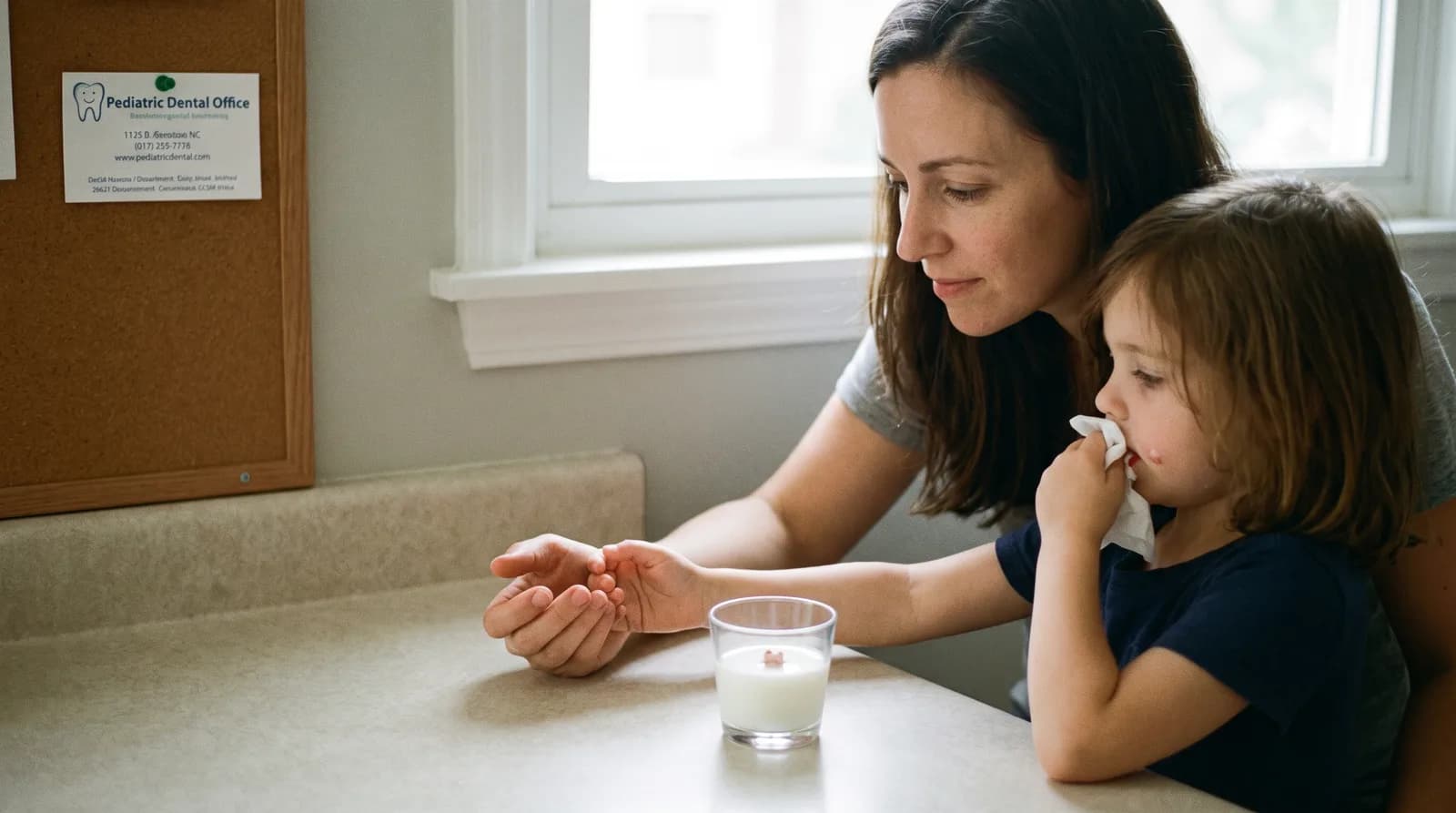
A knocked out tooth at school comes down to three things in the first few minutes: find the tooth, handle it correctly, and call a dentist immediately. If this is happening right now, call this practice's emergency dentist line at (972) 881-0715 before reading further.
This happens most often on the playground, on a field, or in a gym, usually right after school starts back up and fall sports pick up again. It's stressful in the moment, but the actual steps are simple and quick once you know them.
Time matters more than almost anything else here. This guide covers exactly what to do first, how long you actually have, and what's different for a baby tooth versus a permanent one. For general emergency guidance, see this practice's emergency dentist services.
Call Now: Same-Day Emergency Care
Every minute matters with a knocked-out tooth. The team will tell you exactly what to do next.
Call (972) 881-0715 →Knocked Out Tooth What to Do First: Immediate Steps
If a tooth gets knocked out, pick it up by the crown, rinse it gently if dirty, try to place it back in the socket, and call a dentist immediately. If it can't go back in, keep it in milk and go straight to the office.
Every second counts more than it might seem to in the moment. A tooth kept moist and handled correctly has a real chance of being saved. A tooth left dry on a napkin for even a few minutes loses that chance quickly.
Staying calm matters too, especially if the child is scared. A parent's reaction shapes how a kid handles the next ten minutes, and a calm, direct response makes it easier for a child to hold still and cooperate.
None of this requires special equipment. A clean hand, a cup of milk, and a phone are genuinely all that's needed to give a knocked-out tooth its best chance before reaching a dentist. Patients who keep up with routine dental care are roughly 60% less likely to lose teeth over time, according to the Journal of Dental Research, and a prompt, correct response to an injury follows that same protective logic.
This applies whether the injury happened from a fall, a collision during sports, or any other sudden impact. The response is the same regardless of exactly how it happened.
How Do I Handle a Knocked-Out Tooth Without Making It Worse?
Handle a knocked-out tooth by the crown, the white part, never the root, since touching the root can damage the delicate tissue needed for successful reimplantation back into the socket.
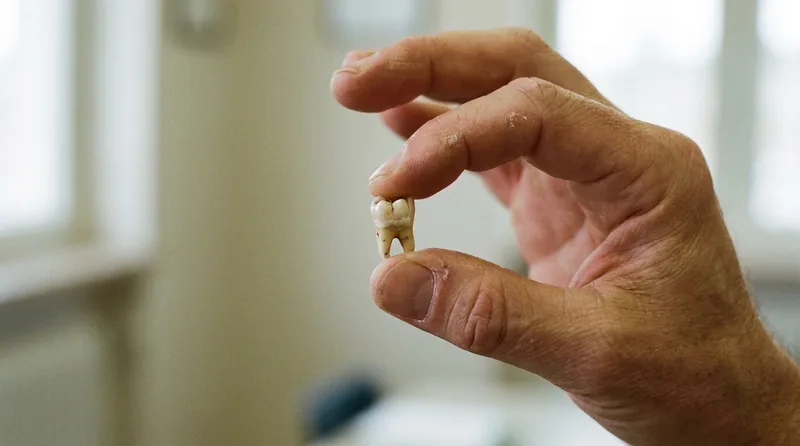
The root is covered in a thin layer of living cells that help the tooth reattach once it's back in place. Touching, scrubbing, or wiping the root can damage those cells enough to lower the odds of success.
- Find the tooth and pick it up by the crown only.
- If it's dirty, rinse it gently in water for a few seconds. Don't scrub it.
- Try to place it back into the socket, facing the right direction.
- If it won't go back in, keep it moist in milk and head to the dentist immediately.
If a child can hold the tooth in place with gentle pressure while biting down on a clean cloth, that's actually the best possible outcome. It keeps the tooth moist, correctly positioned, and gives it the strongest chance of reattaching successfully.
Adults present at the scene, whether a parent, coach, or teacher, can help by staying calm and moving quickly through these steps rather than debating what to do. Speed and correct handling matter more than perfection here.
Should I Put the Tooth in Milk or Saline?
Milk is the best option for transporting a knocked-out tooth if it can't be placed back in the socket, since it keeps the root cells alive far longer than water or a dry napkin would.
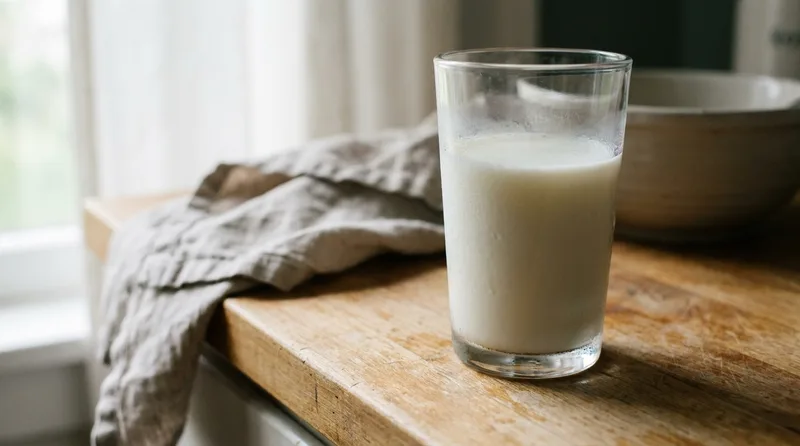
Water isn't ideal because it can cause the root cells to swell and break down faster than milk does. A saline contact lens solution works as a backup if milk isn't available, though milk remains the most widely recommended option.
Never store the tooth dry, even briefly. A tooth held in a bare hand or wrapped in a tissue starts losing viable root cells within minutes, which meaningfully lowers the chances of a successful reimplantation later.
According to ADA guidance, cold whole milk specifically helps preserve the cell structure needed for reattachment better than most other readily available liquids. It doesn't need to be a specific type or brand; any cold milk from a fridge or cooler works.
| Storage Method | How Well It Works |
|---|---|
| Back in the socket | Best option if possible |
| Cold milk | Very good backup option |
| Saline solution | Good backup option |
| Water | Weakest option; use only if nothing else is available |
| Dry (napkin, hand) | Avoid; root cells die quickly |
How Long Do I Have to Save a Knocked-Out Permanent Tooth?
A knocked-out permanent tooth has the best chance of being saved if reimplanted within about 30 minutes, according to the ADA, though successful reimplantation has been documented up to 60 minutes in some cases.
That window shrinks fast once the tooth is out of the mouth and not properly stored. The 30 minute mark isn't a hard cutoff where the tooth suddenly becomes unsavable. It's the point where the odds of success start dropping quickly.
This is exactly why calling ahead matters as much as driving quickly. A dentist who knows you're on the way can prepare the room and see you the moment you arrive, rather than starting the clock over once you're in the waiting room.
Even outside that ideal window, it's still worth coming in. A tooth reimplanted later than 30 or 60 minutes doesn't always succeed the same way, but a dentist can often still help, whether that means reimplantation or planning next steps for a replacement.
Kids' teeth sometimes respond differently than adult teeth to delayed reimplantation, since a child's jaw is still developing. That's one more reason to call rather than assume the window has already closed.
Not an Emergency Right Now?
Save this guide and get a mouthguard fitted before the next practice or game.
Request an Appointment →Is a Knocked-Out Baby Tooth Different From a Permanent Tooth?
A knocked-out baby tooth is handled differently from a permanent tooth, since baby teeth generally don't get reimplanted, though a dentist should still evaluate the area to check for damage to the permanent tooth developing underneath.
Reimplanting a baby tooth can actually damage the permanent tooth forming below it, which is why dentists typically don't attempt it. That doesn't mean the situation isn't worth a same-day call, though.
An injury strong enough to knock out a baby tooth can also affect the surrounding bone or the developing permanent tooth underneath. A same-day exam confirms nothing else needs attention, even when the baby tooth itself isn't going back in.
Parents sometimes assume a baby tooth injury matters less simply because the tooth was already going to fall out eventually. The injury itself, and what it might have affected underneath, is what actually warrants the same-day attention.
A quick same-day exam usually takes far less time than the worry of waiting to find out whether anything else was affected. It's a small step that settles the question either way. Regular dental visits can catch about 80% of oral health issues before they become serious, according to the ADA, and a post-injury exam follows that same preventive logic.
What If the Tooth Won't Go Back In or Is Broken?
If a knocked-out tooth won't go back into the socket or appears broken rather than fully intact, keep it moist in milk, avoid forcing it, and get to a dentist immediately rather than attempting further adjustment at home.
Forcing a tooth that doesn't want to seat properly can cause more damage than leaving it out entirely. If it doesn't slide back in easily on the first gentle attempt, stop trying and focus on safe transport instead.
A broken tooth, as opposed to a fully knocked-out one, still needs urgent attention but follows a slightly different process once you're seen. Bring any broken pieces along if they're findable, without spending significant time searching for them.
A chipped or fractured tooth that's still attached is a different situation from a fully knocked-out one, though both benefit from the same-day attention. Neither should wait until the next available routine appointment slot.
Cracks that aren't immediately visible sometimes show up later as sensitivity to hot or cold. Mentioning the original injury during a follow-up visit, even weeks later, helps connect any delayed symptoms back to what actually caused them. According to Mayo Clinic's general guidance on dental care, any dental injury involving impact is worth a professional evaluation, even when visible damage looks minor.
Should I Call Willow Family Dentistry or Go to the ER?
Call Willow Family Dentistry immediately for a knocked-out tooth. Go to the emergency room instead only if there's heavy bleeding that won't stop, a suspected jaw fracture, or a loss of consciousness from the injury.
A dental office, not a hospital emergency room, is generally the right first call for a knocked-out tooth alone. Emergency rooms often don't have the equipment or expertise to reimplant a tooth, and the wait time there can cost the exact minutes that matter most.
Nationally, roughly 2 million emergency room visits each year trace back to dental problems a dentist could have handled faster, according to the ADA Health Policy Institute. A knocked-out tooth without other serious injury is exactly the kind of case where calling a dentist directly saves time.
If there's any doubt about the severity of the overall injury, calling 911 or heading to an emergency room is always the safer choice. A dental office can still help with the tooth itself once any life-threatening concern is ruled out.
What Happens After I Call?
After you call, Willow Family Dentistry will tell you whether to come in immediately and what to do with the tooth during the drive, then evaluate and treat the tooth as soon as you arrive.

Same-day emergency slots exist specifically for this kind of situation. The team can often prep the room before you even walk in, based on what you describe over the phone.
- Call (972) 881-0715 immediately and describe what happened.
- Keep the tooth in milk or back in the socket during the drive.
- Bring the tooth with you even if it doesn't look salvageable.
- Head straight to 1125 W FM 544, Suite 700, Wylie, TX 75098.
Once you arrive, the team confirms the tooth's condition, checks for any damage to surrounding teeth or bone, and reimplants it if possible. If reimplantation isn't an option, the conversation shifts to what comes next for that space.
For a closer look at general emergency triage, see this practice's guide on when to call an emergency dentist versus when to wait.
The short version: pick the tooth up by the crown, keep it moist in milk if it won't go back in, and call immediately. Every minute matters, and a same-day appointment gives a knocked-out tooth its best possible chance.
Results may vary. Please consult with Dr. Jeong for personalized treatment recommendations.
If this happened in the last few minutes, stop reading and call (972) 881-0715 now. The steps in this guide can wait until you're actually on the way, or already have the tooth safely stored in milk.
Have a question that isn't an emergency?
Contact Us →Dr. Esther B. Jeong, DDS
DDS · Willow Family Dentistry
Wylie family dentist with 15+ years of experience providing gentle, judgment-free dental care.
Frequently Asked Questions
Was this article helpful?
You may also like

Have a dental question?
Schedule a consultation and get personalized answers from Dr. Jeong.
Call us
(972) 881-0715
Hours
Mon – Thu: 9am – 5pm
Fri: By Appointment
Location
1125 W FM 544, Wylie
Emergency? Same-day appointments available.