Why Do My Gums Bleed When I Brush? 7 Causes | Wylie TX

Why do my gums bleed when I brush? In most cases, it means plaque has built up along your gumline and your gums are inflamed. That inflammation is your body's response to bacteria, and it's the earliest sign of gum disease. The good news: at the gingivitis stage, it's completely reversible. The bad news: if you ignore it, it can progress into something that isn't.
The CDC reports that 42% of adults aged 30 and older have some form of periodontal disease, and bleeding gums during brushing is often the first symptom. This guide ranks seven causes from the most harmless to the most serious so you can figure out where you likely fall and what to do about it. If you're in Wylie, TX, Dr. Esther Jeong at Willow Family Dentistry can give you a definitive answer in a single appointment.
Are You Brushing Too Hard?
Aggressive brushing with a hard-bristled toothbrush can physically damage gum tissue and cause bleeding even when your gums are otherwise healthy. This is the most benign cause on the list and the easiest to fix.
Your gums aren't tile grout. They don't need scrubbing. The ADA recommends a soft-bristled toothbrush with gentle, circular motions angled at 45 degrees toward the gumline. If the bristles on your toothbrush are splayed and flattened after a few weeks, you're pressing too hard. Switch to a soft brush, lighten your grip, and the bleeding should stop within a week or two. An electric toothbrush with a pressure sensor takes the guesswork out entirely.
Look at the wear pattern on your current brush. Bristles that fan outward like a used broom are a clear sign of excessive force. A good toothbrush should maintain its shape for three months before needing replacement. If yours looks worn at six weeks, pressure is the problem.
Could Starting Flossing Again Cause Temporary Bleeding?
Gums that haven't been flossed in a while bleed when you start back up. This is normal and temporary. It's not a sign to stop flossing. It's a sign your gums need it.
When plaque sits undisturbed between teeth for weeks or months, the gum tissue in those contact areas becomes inflamed. The first time floss disrupts that plaque, the swollen tissue bleeds easily. Most patients see the bleeding resolve within 7-10 days of consistent daily flossing. If it hasn't stopped after two weeks of daily flossing, something else is going on and you should schedule a visit.
Floss picks are an acceptable starting point for patients who find traditional floss difficult to maneuver. A water flosser is another option. The method matters less than the consistency. The key is disrupting that bacterial biofilm between teeth every single day.
Can Hormonal Changes Make Your Gums Bleed?
Pregnancy, puberty, menstruation, and menopause all increase blood flow to the gums and can make them swell and bleed more easily during brushing. "Pregnancy gingivitis" affects up to 75% of pregnant women according to the American Academy of Periodontology.
Hormonal bleeding doesn't mean you should skip brushing. It means you should brush more gently and keep up with dental visits. Dental care during pregnancy is not only safe, it's recommended by both the ADA and ACOG. Dr. Jeong sees pregnant patients routinely and adjusts treatment based on trimester. Puberty-related gum sensitivity typically resolves on its own as hormone levels stabilize, but maintaining good hygiene during that window prevents it from developing into true gingivitis.
Is a Medication Making Your Gums Bleed?
Blood thinners (warfarin, aspirin, clopidogrel) make gums bleed more easily even from minor inflammation that wouldn't cause bleeding in other patients. Medications that cause dry mouth (antihistamines, antidepressants, blood pressure drugs) reduce saliva flow, which allows plaque to accumulate faster and gum irritation to worsen.
If you started a new medication and noticed your gums bleeding around the same time, the connection is likely real. Don't stop the medication. Instead, mention it at your next dental visit so Dr. Jeong can factor it into your care plan. More frequent cleanings and a prescription-strength fluoride rinse may be recommended. According to the Mayo Clinic, hundreds of commonly prescribed drugs list dry mouth as a side effect.
Patients on blood thinners should also let Dr. Jeong know before any dental procedure. It doesn't prevent treatment, but it changes how she manages bleeding during cleanings and other work. Your medication list matters more than most patients realize.
Related: Dry mouth also causes bad breath and increases cavity risk. → Chronic Bad Breath Causes and Fixes
Is Gingivitis the Reason Your Gums Bleed When You Brush?
If you're asking "why do my gums bleed when I brush" and none of the previous causes apply, gingivitis is the most likely answer. It affects nearly half of all adults and is the earliest stage of gum disease. Red, swollen gums that bleed during routine brushing or flossing are the textbook symptoms.
Gingivitis develops when plaque, a sticky bacterial film, isn't fully removed from the gumline. Within 48-72 hours, plaque hardens into tartar that your toothbrush can't remove. The bacteria in that tartar trigger an inflammatory response, and the inflamed tissue bleeds easily when disturbed. It's your body's alarm system. Ignoring it is like ignoring a check engine light.
The critical fact about gingivitis: it's 100% reversible. A professional cleaning at Willow Family Dentistry removes the plaque and tartar driving the inflammation. Improved brushing and flossing at home keeps it from coming back. Most patients see bleeding stop within 2-4 weeks of a cleaning combined with better home care. The ADA reports that regular dental visits catch 80% of oral health issues before they become serious, and gingivitis is the prime example.
Gums Bleeding Every Time You Brush?
A professional cleaning can resolve gingivitis and stop the bleeding within weeks. Dr. Jeong evaluates your gum health at every visit.
Request an Appointment →Could Bleeding Gums Mean Periodontitis and Bone Loss?
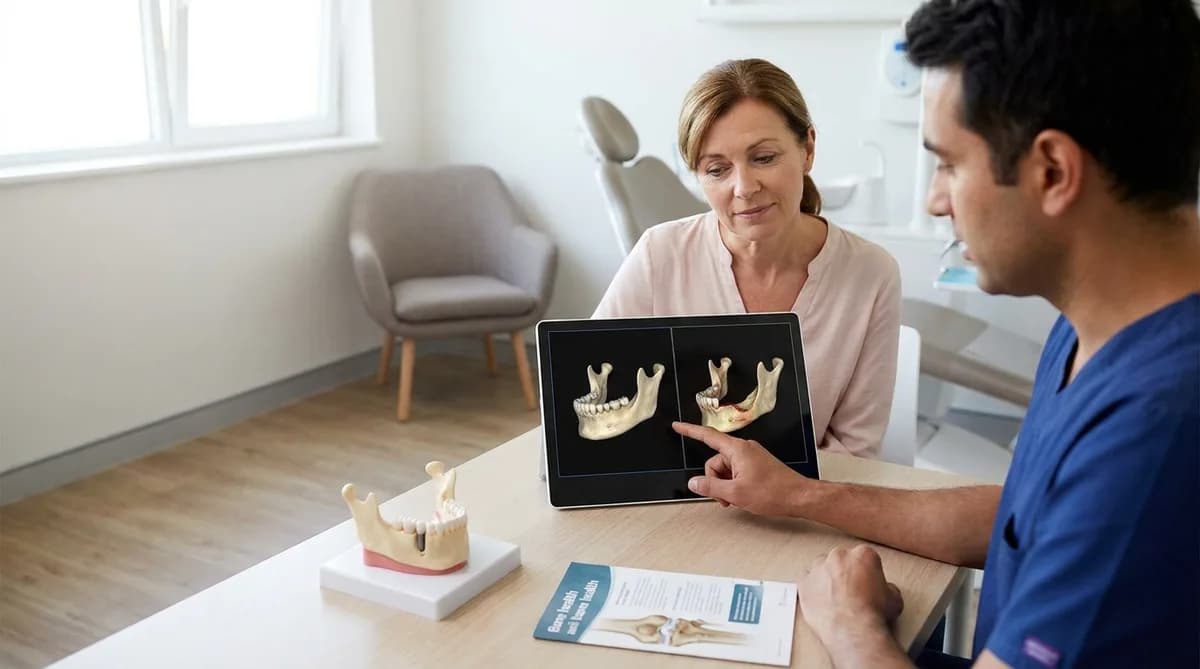
If gingivitis goes untreated, it can progress to periodontitis, where the infection moves below the gumline and begins destroying the bone and connective tissue that hold your teeth in place. Bleeding gums at this stage aren't just inflamed. They're signaling active destruction happening underneath.
The transition from gingivitis to periodontitis is marked by pocket depths reaching 4 millimeters or deeper (healthy gums measure 1-3mm). Dr. Jeong detects this by probing around every tooth during your exam. You might also notice gums pulling away from your teeth, persistent bad breath, teeth that feel slightly loose, or changes in how your bite fits together.
Periodontitis is not reversible, but it is manageable. Treatment starts with scaling and root planing, a deep cleaning that removes bacterial colonies from below the gumline and smooths the root surfaces so gums can reattach. After treatment, patients move to a periodontal maintenance schedule of visits every 3-4 months. The Mayo Clinic identifies periodontitis as the leading cause of tooth loss in adults, but consistent treatment prevents most patients from reaching that point.
Related: Understand the full progression from gingivitis to advanced disease. → Stages of Gum Disease: Gingivitis vs Periodontitis
When Do Bleeding Gums Signal a Systemic Health Problem?
In a smaller percentage of cases, persistent gum bleeding points to a systemic issue rather than a local oral problem. Uncontrolled diabetes impairs your body's ability to fight infection and heal, making gum inflammation worse and harder to resolve. Vitamin deficiencies (particularly vitamin C and vitamin K) can cause gums to bleed even without significant plaque buildup. And in rare cases, bleeding gums are an early sign of blood disorders including leukemia.
These causes are uncommon, but they matter because they require medical treatment beyond what a dental cleaning can provide. If Dr. Jeong treats your gum disease and the bleeding doesn't respond as expected, she'll recommend blood work or a referral to your physician to rule out systemic factors. The gum exam sometimes catches medical conditions that haven't been diagnosed yet, which is another reason regular dental visits matter beyond just your teeth.
Related: The gum-heart disease connection is well established. → Gum Disease and Heart Disease: What Your Dentist Knows
What Should You Do if Your Gums Bleed When You Brush?
Don't stop brushing. That's the most common mistake. Patients see blood and back off, which lets more plaque accumulate and makes the inflammation worse. Keep brushing gently with a soft-bristled toothbrush. Keep flossing. Let the gums adapt.
If the bleeding hasn't stopped after two weeks of consistent, gentle brushing and daily flossing, schedule a dental visit. You need a professional evaluation to determine whether you're dealing with simple gingivitis that a cleaning will fix or something deeper that requires treatment.
At Willow Family Dentistry, Dr. Jeong measures your pocket depths, checks for tartar buildup, evaluates your gum tissue, and takes X-rays if needed to assess bone levels. The exam takes about 30 minutes and gives you a definitive answer. If it's gingivitis, a cleaning resolves it. If it's periodontitis, she'll build a treatment plan that stops the progression. If it's something else entirely, she'll point you in the right direction.
The one thing you shouldn't do is assume bleeding gums are normal. They're not. They're a signal. And the earlier you respond to it, the simpler and less expensive the fix.
Bleeding Gums Are Not Normal
Dr. Jeong can tell you exactly why your gums bleed and what to do about it. Most cases are resolved with a single cleaning and better home care.
Request an Appointment →Related: Been putting off the dentist? Start here. → Haven't Been to the Dentist in Years? Start Again in Wylie TX
Find Out What's Causing Your Bleeding Gums
Schedule an evaluation with Dr. Jeong. She'll measure your gum health, identify the cause, and give you a clear plan to stop the bleeding.
Request an Appointment →Concerned about your gums?
Call (972) 881-0715 →Dr. Esther B. Jeong, DDS
DDS · Willow Family Dentistry
Wylie family dentist with 15+ years of experience providing gentle, judgment-free dental care.
Frequently Asked Questions
Was this article helpful?
You may also like

Have a dental question?
Schedule a consultation and get personalized answers from Dr. Jeong.
Call us
(972) 881-0715
Hours
Mon – Thu: 9am – 5pm
Fri: By Appointment
Location
1125 W FM 544, Wylie
Emergency? Same-day appointments available.